
New paver surfaces
Paver Installation in Tampa Bay
A new paver surface should be planned around use, drainage, access, and the look of the house. The pattern and color matter, but the base and edge details decide whether the project stays clean over time.
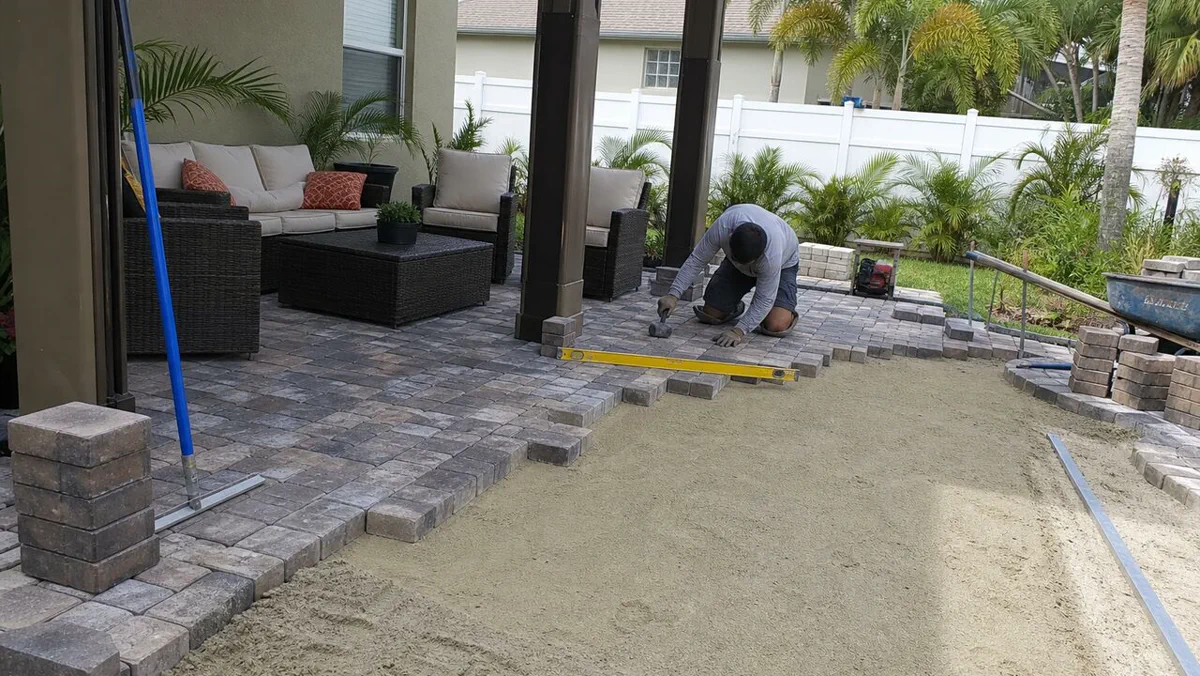
New paver surfaces
Start with the surface people will actually use
Driveways need traffic strength and turning room. Patios need furniture clearance. Walkways need a dry route. Pool decks need comfortable edges and water movement that does not create low spots.
New paver surfaces
What should be decided before installation
A useful plan clarifies square footage, access for materials, base depth, border restraint, slope, drainage, preferred texture, and how new pavers meet existing concrete, turf, coping, or landscaping.
Scope detail
Installation decisions that matter
For installation calls, the first decisions are surface use, access for materials, base depth, slope, border restraint, and how the new pavers meet concrete, turf, steps, or coping. Pattern choices come after those basics.
Homeowner checkpoint
Installation proof to ask for
A new paver surface should show how the base, compaction, slope, edge restraint, and transitions will be handled. Pattern and color come after the practical decisions that keep the driveway, patio, or walk from holding water or spreading at the border.
Paver Installation Questions
What matters more than paver color?
Base preparation, compaction, slope, edge restraint, and drainage matter first. Color and pattern should support a surface that is built correctly.
Can pavers be installed beside existing concrete?
Sometimes, but transitions must be planned so the height, edge, and drainage do not create a lip or water problem.
What should I measure before asking about installation?
Measure rough length and width, note access constraints, and mark where water currently collects after rain.